
Imagine walking through a busy market in Mumbai. You see a beautiful, shiny necklace. You’re excited to buy real silver jewelry for a big event. But, without knowing, that pretty piece might be fake.
Many people in India face this problem every day. To keep your money safe, you need more than just a good eye. You need proven expertise. Knowing how to check your metal buys is key to avoiding scams.
This guide gives you the tools to shop with confidence. By using these expert tips, you’ll know real from fake. Let’s help you make a smart, lasting choice for your next buy.
Key Takeaways
- Learn to tell real from fake pieces.
- See why checking metal purity is important.
- Find easy tests to do while shopping.
- Keep your money safe by avoiding low-quality fakes.
- Feel confident shopping in the Indian market.
Understanding the Composition of Real 925 Sterling Silver Jewellery
Real 925 Sterling Silver Jewellery is more than shiny metal. It’s a mix of elements. Buying a piece means you’re getting a certain quality that’s both beautiful and strong.
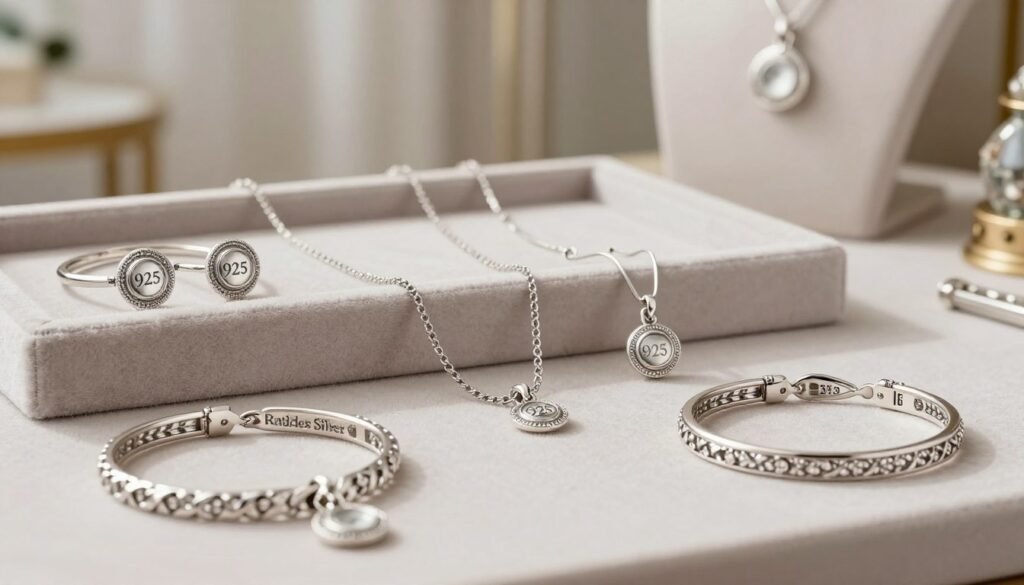
What Makes Silver Sterling
Pure silver is soft and bends easily. It’s not good for everyday wear. Jewelers mix 92.5% pure silver with 7.5% copper to make it stronger.
This mix, called sterling, keeps jewelry from bending or scratching. Without it, your favorite pieces wouldn’t last long.
The Difference Between Silver Plated and Solid Silver
Solid sterling silver and silver-plated items are different. Solid pieces are made of 92.5% silver alloy all the way through. Silver-plated jewelry has a thin silver layer over a base metal like brass or copper.
The silver layer on plated jewelry wears off over time. This can cause skin problems or allergic reactions. Knowing the difference helps you choose the best Real 925 Sterling Silver Jewellery.
| Feature | Solid Sterling Silver | Silver Plated |
|---|---|---|
| Composition | 92.5% Silver, 7.5% Copper | Thin silver layer over base metal |
| Durability | High; lasts for generations | Low; plating wears off quickly |
| Value | High resale and intrinsic value | Low; decorative only |
| Maintenance | Can be polished repeatedly | Cannot be polished; plating fades |
Checking for Official Hallmarks and Stamps
When you buy accessories, small marks on the metal tell a big story. Finding authentic silver jewelry means looking closely at tiny stamps. These signs show if it’s real and of good quality before you buy.
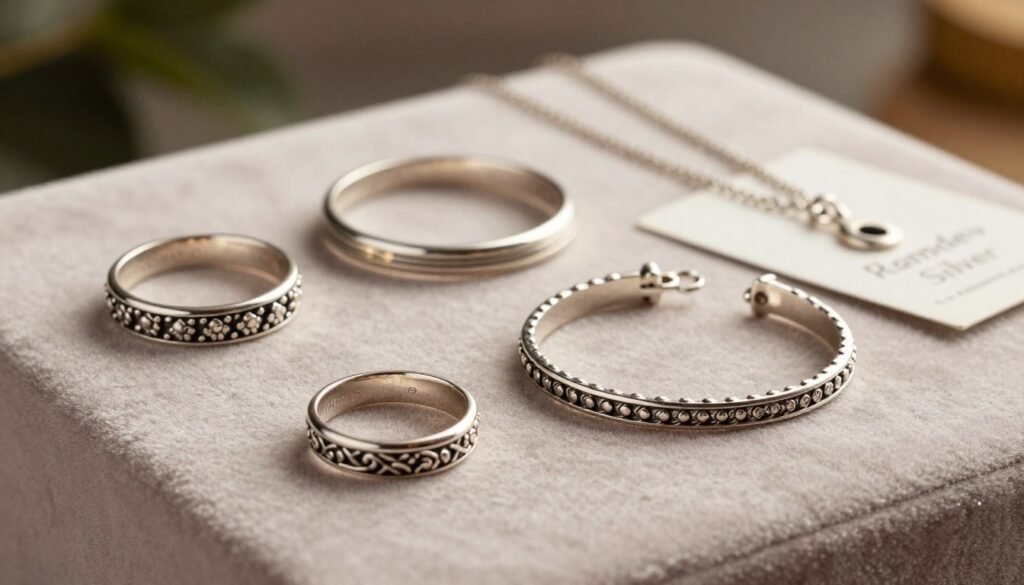
Recognizing the 925 Stamp
The “925” stamp is very common. It means the item is sterling silver. This means it’s 92.5% silver and 7.5% other metals for strength.
Look for this stamp in secret spots, like inside a ring or a necklace clasp. If you can’t find a stamp, don’t think it’s fake right away. But, professional-grade items usually have this mark. Use a magnifying glass if the stamp is too small to see.
Common International and Indian Hallmarks
Other symbols might show where the piece comes from. In India, the Bureau of Indian Standards (BIS) has a hallmark. This mark shows the item’s quality and who made it.
Items from other places might have different symbols. For example, British silver has a lion passant mark. Knowing these symbols helps you know if your authentic silver jewelry is up to global standards. See the table below for common markings.
| Marking Type | Meaning | Common Location |
|---|---|---|
| 925 | Sterling Silver | Inside ring or clasp |
| BIS Logo | Indian Standard | Near the purity stamp |
| Lion Passant | British Sterling | Back of jewelry |
| 999 | Fine Silver | Bullion or coins |
Performing the Magnet Test at Home
A simple magnet can tell you a lot about your favorite pieces. This quick test is a reliable method to check if items are real. It helps you spot authentic silver jewelry without fancy tools.
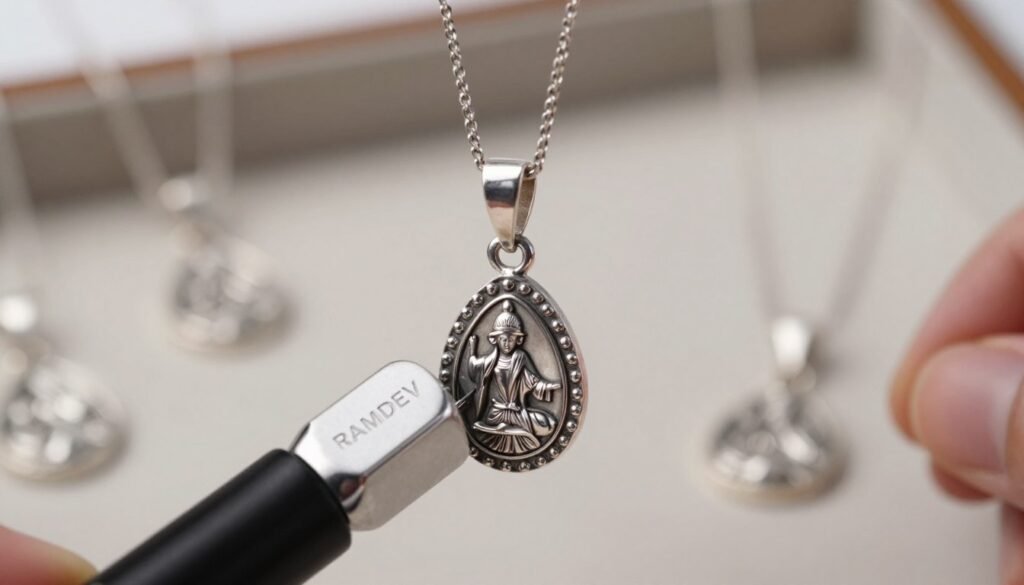
Why Silver is Non-Magnetic
Pure silver and high-quality sterling silver don’t attract magnets. They are non-ferrous metals. If your piece is real silver, it won’t be drawn to a magnet.
Fake items often use base metals like copper or steel. These are then plated to look like silver. But, these metals are magnetic and will attract the magnet right away. Knowing this difference is very important for collectors.
How to Conduct the Test Safely
Use a strong magnet, like a neodymium magnet, for the best results. Hold the magnet near your item but don’t let it snap against it. Gentle handling helps avoid scratching or damaging your authentic silver jewelry.
If the magnet pulls strongly or sticks to your item, it’s probably not solid silver. But, remember that some non-magnetic metals can look like silver too. Always use this test as part of a bigger check to keep your collection top-notch.
Utilizing the Ice Cube Test for Thermal Conductivity
Did you know your freezer can help you spot real silver? This easy trick uses silver’s special properties to check if your high quality silver accessories are real at home.
Silver is great at moving heat, unlike other metals. Watching how fast an ice cube melts on your jewelry can tell you a lot. You don’t need fancy tools for this.
The Science Behind Silver and Ice
Silver is one of the best at moving heat among jewelry metals. When you put an ice cube on real silver, it melts fast. This is because silver takes heat from the air and gives it to the ice.
On fake or plated silver, the ice melts slower. This is because these metals don’t move heat as well as silver does.
Step-by-Step Execution
Make sure your jewelry is room temperature before starting. Put a small ice cube on it, like on a chain or bangle.
Watch the ice for the first minute. If it’s real silver, the ice will melt fast. Consistency is key. Use the same size ice cubes for every test to get accurate results for your high quality silver accessories.
| Material Type | Thermal Conductivity | Ice Melting Speed |
|---|---|---|
| Genuine Silver | Very High | Rapid |
| Silver Plated | Low to Moderate | Slow |
| Stainless Steel | Low | Very Slow |
| Copper Alloy | Moderate | Moderate |
Conducting the Cloth Rub Test
One of the best ways to check if something is real silver is the cloth rub test. It’s quick and easy. You don’t need fancy tools or expert help. Just use a soft white cloth to see if your jewelry is genuine 925 silver pieces.
Why Real Silver Oxidizes
Real silver reacts with the air. It turns black when it meets sulfur in the air. This is a sign it’s real, not a problem.
Pure silver is too soft for everyday wear. So, it’s mixed with other metals to make it stronger. This mix, called sterling silver, still reacts to air and moisture. So, your real silver items might get a bit tarnished over time.
Interpreting the Black Residue
To do the test, rub a clean, soft white cloth on a small part of your jewelry. If it’s real silver, you’ll see black on the cloth. This black is from the silver reacting to the cloth and friction.
Some think any color change means it’s fake. But the black is a positive sign of genuine 925 silver pieces. If the cloth stays clean, it might be plated or made of a different metal.
Applying the Nitric Acid Test
Want to know if your jewelry is real? The nitric acid test is a good way to find out. It’s used by pros to check the metal in jewelry. But, it’s important to be careful because it uses strong chemicals.
Safety Precautions for Acid Testing
First, make sure you’re safe. Nitric acid can burn your skin or eyes. Work in a place with good air to avoid breathing in bad smells.
Here are some important safety tips:
- Wear chemical-resistant gloves to protect your hands.
- Use safety goggles to keep your eyes safe from splashes.
- Have baking soda ready to clean up spills.
- Do the test on a surface like glass or ceramic.
“Chemical verification is the most accurate way to distinguish between genuine precious metals and base metal imitations, but it requires professional handling and strict adherence to safety protocols.”
Analyzing the Color Reactions
After you’re ready, watch how the metal reacts to the acid. Make a small scratch and add a drop of acid. The color change shows what the metal is.
Here’s a table to help you understand the results:
| Reaction Color | Indication | Purity Level |
|---|---|---|
| Creamy White | Sterling Silver | High (92.5%) |
| Green | Base Metal/Copper | Low or None |
| Dark Brown | Brass or Nickel | None |
If it turns creamy white, it’s probably real sterling silver. But, if it goes green or brown, it’s likely a fake. Remember, this test marks your jewelry forever.
Examining the Weight and Feel of Your Jewellery
When you hold a piece of jewellery, you can learn a lot. Your hands are a powerful tool for checking it out. Getting good at feeling the weight of silver takes practice.
Density Differences in Base Metals
Silver is heavy and feels special in your hand. Base metals like copper, brass, or nickel are lighter. They feel different from real silver.
Think about how big something is. A big, light bracelet might not be solid silver. Knowing these differences helps you spot fake items.
Identifying Lightweight Fakes
Compare a new item to something you know is real. Hold them both to see the weight difference. If it’s too light, it might be fake.
Some fake items try to feel like silver. But they don’t feel right. Here’s a table to help you understand the differences.
| Material | Relative Density | Feel in Hand |
|---|---|---|
| Sterling Silver | High | Substantial and cool |
| Copper | Medium | Lighter than silver |
| Brass | Medium-Low | Noticeably airy |
| Aluminum Alloy | Low | Very lightweight |
Inspecting for Tarnishing Patterns
Tarnish patterns tell a story about your favorite accessories. They help you know if they’re real sterling silver or not. Watching how they age is a simple way to keep them safe.
Natural Oxidation vs Artificial Discoloration
Genuine 925 sterling silver changes color naturally. It gets a soft darkening or light grey patina over time. This change is even all over the item.
But plated jewelry looks different. It might show bright copper or brassy spots. This means the silver layer is wearing off.
“Quality is never an accident; it is always the result of high intention, sincere effort, intelligent direction and skillful execution.”
Cleaning and Maintenance Indicators
Knowing when to clean your jewelry is important. A light tarnish can be fixed with a soft cloth. This is part of keeping silver jewelry looking good.
But, if tarnish is deep or flaky, it’s a sign of bigger problems. In these cases, you might need professional help. Act fast to stop damage before it’s too late.
The Sound Test for Authenticity
Your ears can help you spot real precious metals at home. This old trick uses silver’s special sound when tapped. It’s a simple way to check if jewelry is real when you see a top-rated silver jewelry collection.
The Ringing Tone of Precious Metals
Tap a piece of 925 sterling silver gently with a metal. It should ring out with a clear, high sound. This sound goes on for a few seconds, showing it’s good quality silver.
Comparing Silver to Other Alloys
But, base metals or cheap alloys sound dull when tapped. They don’t vibrate like silver does. By comparing sounds, you can tell real silver from fake ones in many top-rated silver jewelry collection items.
| Material Type | Sound Quality | Duration of Tone |
|---|---|---|
| 925 Sterling Silver | High-pitched Ring | Long (2-5 seconds) |
| Copper/Brass | Dull Thud | Very Short |
| Silver-Plated Base | Muffled Clink | Short |
| Stainless Steel | Metallic Clang | Moderate |
Verifying Seller Credentials and Documentation
Protect your investment by checking the jeweler’s credentials. The best silver jewelry store is more than pretty designs. It must follow strict standards for metal purity.
Importance of BIS Hallmarking in India
In India, the Bureau of Indian Standards (BIS) hallmark is key. It shows your item is tested for purity. This mark means your purchase is safe and meets quality standards.
Look for the BIS logo, fineness number, and jeweler’s mark. These prove your silver is genuine 925 sterling. Hallmarked items help you avoid bad alloys.
Requesting Authenticity Certificates
A good store gives an authenticity certificate on request. This paper guarantees the metal’s quality. Ask for it when looking at a top-rated silver jewelry collection.
Check the certificate for the store’s seal, purchase date, and item details. A clear seller will share this info to gain your trust. If they won’t show you the papers, it’s a warning sign.
| Feature | Verified Seller | Unverified Seller |
|---|---|---|
| BIS Hallmarking | Always present | Often missing |
| Documentation | Authenticity certificate provided | No paperwork offered |
| Customer Support | Transparent and helpful | Vague or dismissive |
| Quality Guarantee | Backed by policy | None provided |
Navigating Online Marketplaces for Genuine Pieces
Shopping online is easy, but watch out for scams. The internet has lots of pretty things. But, you need to be careful to get what you paid for. Being skeptical helps you shop safely.
Reading Customer Reviews and Ratings
Customer feedback is key when buying genuine 925 silver pieces. Check the star rating and read comments too. Look for mentions of tarnishing or skin issues.
Find reviews with photos of the item after wearing it for weeks. Real silver should stay shiny with care. Be careful of sellers with lots of five-star reviews but no comments.
Identifying Red Flags in Product Descriptions
When looking for sterling silver jewelry online, watch the description. Avoid terms like “silver-tone” or “silver-plated.” They usually mean not real silver. Good sellers say the item is 925 sterling silver.
Also, be careful of very low prices. A heavy necklace that’s too cheap is probably not real silver. Look for a BIS hallmark or a certificate of authenticity. These are signs of real sellers in India.
Understanding Pricing Trends for High Quality Silver Accessories
Prices of high quality silver accessories tell a story. Silver’s value changes every day because of global demand. Knowing this helps you spot good deals and scams.
Why Extremely Low Prices are Suspicious
It’s tempting to buy affordable silver jewelry that seems cheap. But, very low prices are usually a warning sign. If a piece is much cheaper than silver’s market value, it might not be real silver.
Stores need to pay for materials, work, and stamps. If a price is too low, it’s likely fake. Always choose real over cheap to make your purchase last.
Market Fluctuations and Value
Silver prices change with demand and the economy. Knowing these changes helps you plan your budget. You can find affordable silver jewelry, but prices should match the silver market.
It’s wise to balance your budget with market prices. Here’s a table to show how different things affect jewelry prices.
| Factor | Impact on Price | Quality Indicator |
|---|---|---|
| Raw Silver Spot Price | High | Base cost of material |
| Craftsmanship/Design | Medium | Artistic value added |
| Brand Reputation | Medium | Trust and certification |
| Hallmarking Fees | Low | Proof of purity |
Common Scams to Avoid When Buying Silver
Protecting your investment starts with knowing common scams in the silver market. When you want to buy real silver jewelry, beware of prices that seem too low. It’s key to know these tricks to keep your collection safe.
The Danger of Silver-Plated Copper
Some sellers trick you by offering copper items with a thin silver coat. These look shiny at first but lose their silver fast. When the silver wears off, the copper shows, leaving unsightly green marks on your skin.
This jewelry is not durable or valuable like real pieces. Always check the edges for signs of base metal. When shopping online for sterling silver jewelry, look for clear metal descriptions, not vague terms.
Avoiding Nickel-Based Alloys
Nickel-based alloys are often sold as silver but are cheap and can cause severe skin irritation. These alloys are hard and not as malleable as pure silver. They’re not good substitutes for quality accessories.
To stay safe, watch how the metal feels and reacts to your skin. Real silver is safe and doesn’t cause rashes or color changes. Use the table below to spot scams.
| Feature | Genuine Silver | Silver-Plated Copper | Nickel Alloys |
|---|---|---|---|
| Skin Reaction | Safe/Hypoallergenic | Green discoloration | Potential allergic rash |
| Durability | High/Long-lasting | Low/Plating wears off | Moderate/Hard metal |
| Value | Investment grade | Low/Decorative only | Low/Industrial grade |
Storing and Caring for Your Authentic Silver
Keeping your silver safe is rewarding. It makes your accessories shine for a long time. Even affordable silver jewelry needs care to stay bright.
By following simple steps, you can stop silver from getting dull. This keeps your favorite pieces looking new.
Preventing Premature Tarnish
Silver gets tarnish from sulfur in the air. To slow this, store your items in airtight containers or special pouches. These tools block moisture and bad air.
Adding a silica gel packet in your jewelry box helps too. It absorbs moisture. Keeping items apart also stops scratches.
“Silver is a metal that thrives on being worn, yet it demands respect when it is tucked away for safekeeping.”
Best Practices for Long-Term Preservation
For cleaning, use a soft, microfiber cloth made for precious metals. Don’t use harsh cleaners or rough scrubbers. They can harm your affordable silver jewelry.
If there’s a lot of dirt, a mild soap and warm water mix works well. Make sure your jewelry is dry before storing it. Moisture harms your silver, so dry it well after wearing.
Professional Appraisal and Testing Services
If you have special items or big investments, getting them tested is smart. Home tests are good, but they can’t beat a certified expert. Going to the best silver jewelry store near you can give you the answers you need.
When to Consult a Jeweler
Get a professional appraisal if you’re not sure about a piece’s purity. This is key for valuable silver items or if you’re selling. A jeweler can give a detailed report for insurance or selling.
Also, see an expert if you bought something and want to check if it’s real. A good jeweler will tell you the truth. They help you know what you have. The best silver jewelry store values honesty and teaching customers.
Using X-Ray Fluorescence Analyzers
New tech has changed how we check precious metals. Shops use X-Ray Fluorescence (XRF) analyzers to check your items. This tool is very accurate and doesn’t hurt your jewelry.
The XRF test is safe for your items. It uses X-rays to find out what’s in the metal. You get a report that shows how pure your silver is. This makes you feel complete confidence in your items.
Conclusion
Building a collection of real 925 sterling silver jewelry needs a keen eye and a focus on quality. You now know how to spot true pieces from fake ones in the market.
Knowing how to check hallmarks and look at physical signs is a great skill for buying. Listen to your gut when you check the weight, sound, and look of your items. Brands like Tanishq or GIVA help you shop with confidence.
Keep up with new trends in metal purity and testing. Talk about your finds with friends who love quality. Starting your collection with these smart steps is exciting.
Explore new designs but always keep quality in mind. Your love for real jewelry will make your collection a treasured part of your wardrobe for many years.